How to Improve Heart Rate Recovery: 7 Proven Strategies
A faster heart rate recovery isn't something you're stuck with — it responds well to training, and the evidence behind how to improve it is fairly consistent across exercise science. Here are seven strategies that actually move the number, roughly in order of impact, plus a realistic timeline for when you should expect to see change.

Contents
Why Heart Rate Recovery Responds to Training
Heart rate recovery reflects how efficiently your autonomic nervous system shifts you from an active, "fight or flight" state back to a resting one after exercise. That shift is driven largely by your parasympathetic nervous system, and — like most physiological systems the body uses regularly — it adapts to consistent demand. Regular aerobic exercise is one of the most well-established ways to train this system, which is why HRR is often used as a simple, low-cost proxy for cardiovascular fitness.
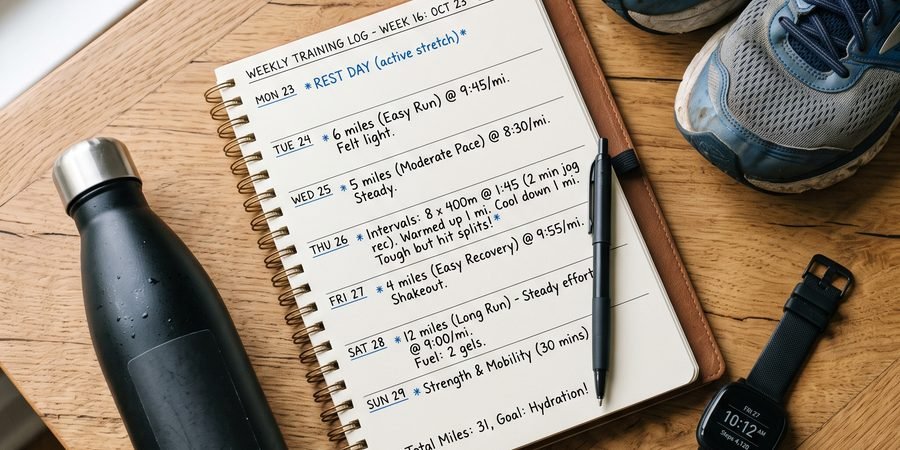
7 Strategies That Improve Heart Rate Recovery
1. Build a consistent aerobic base
The single biggest lever is simply doing regular, moderate-intensity aerobic exercise — walking briskly, cycling, swimming, jogging — most days of the week. This is the foundation that most other improvements build on top of, and it's the strategy with the strongest and most consistent evidence behind it.
2. Add interval training
Alternating short bursts of harder effort with easier recovery periods (classic interval or HIIT-style training) gives a particularly strong stimulus to the autonomic pathways involved in heart rate recovery. One or two interval sessions a week, layered on top of a larger base of easier training, is a well-supported approach.
3. Train consistently, not sporadically
Frequency and consistency over weeks and months matter more than any single big workout. Three to five sessions a week, sustained over at least 6-12 weeks, is a more realistic path to a meaningfully faster HRR than occasional intense efforts with long gaps between them.
4. Prioritise sleep
Poor or insufficient sleep keeps the sympathetic "fight or flight" side of your nervous system more active than it should be, which can blunt heart rate recovery even in someone who trains regularly. Consistent, adequate sleep supports the same autonomic recovery pathways that exercise trains.
5. Manage everyday stress
Chronic psychological stress has a similar effect to poor sleep — it keeps your sympathetic nervous system dialled up, which can work against the gains from your training. Simple, sustainable stress-management habits (regular movement, downtime, social connection) support autonomic recovery alongside structured exercise.
6. Stay on top of hydration and heat
Dehydration and exercising in high heat both tend to blunt heart rate recovery on the day, independent of your underlying fitness. This won't change your long-term trend, but it's worth controlling for when you're testing or comparing readings.
7. Be patient and consistent with measurement
Because HRR naturally varies session to session, the "strategy" of measuring it the same way, at a similar time, under similar conditions — and looking at the trend across weeks rather than any single reading — is itself part of getting an accurate read on whether your training is working.
🧮 Track Your Number
Check your heart rate recovery after each session to see your trend over time.
Open Heart Rate Recovery Calculator →| Strategy | Primary Mechanism | Typical Time Commitment |
|---|---|---|
| Aerobic base training | Improves overall autonomic efficiency | 3-5 sessions/week |
| Interval training | Strong stimulus to recovery pathways | 1-2 sessions/week |
| Consistency over time | Compounding adaptation | 6-12+ weeks |
| Sleep & stress management | Reduces sympathetic overactivity | Daily habit |
How Long It Takes to See Change
Most people training consistently notice a meaningful improvement in their HRR within 6 to 12 weeks — broadly in line with how long it typically takes for other aerobic fitness markers to shift. Some people notice small changes sooner, particularly if they were previously quite sedentary, since the biggest relative gains often happen earliest in a new training routine.
What About Recovery After a Marathon or Big Event?
It's worth separating two different things that both get called "recovery." Your heart rate recovery after a single hard endurance event like a marathon is often temporarily blunted in the days that follow, due to accumulated fatigue, inflammation, dehydration and disrupted sleep — this is normal and not a sign your fitness has gone backwards. Once you've genuinely recovered from the event (typically 1-3 weeks depending on the effort and your training history), the underlying aerobic fitness built during marathon training generally does show up as an improved baseline heart rate recovery, consistent with the training-adaptation strategies above.
Tracking Your Progress Properly
Measure HRR after similar types of sessions (for example, always after a hard run, not comparing a hard run to an easy walk), using the same device or method each time, and log your result. Looking at a rolling average across 4-6 sessions will give you a far more reliable signal of real change than comparing any two individual readings.
Summary
Heart rate recovery improves the same way most aerobic fitness markers do — through consistent training over weeks and months, supported by good sleep and stress management, rather than any single trick. Interval training adds a particularly useful stimulus on top of a solid aerobic base. Expect real change on a timeline of roughly 6 to 12 weeks, and track your trend rather than any one reading.
This article provides general health and fitness information only and is not a substitute for personalised advice from a doctor or accredited exercise physiologist.
Frequently Asked Questions
How can I improve my heart rate recovery?
The strongest lever is consistent aerobic training over weeks to months, ideally mixing steady-state cardio with some interval work, alongside good sleep, hydration and stress management. Heart rate recovery improves as your autonomic nervous system becomes more efficient at shifting you from an active to a resting state.
How long does it take to improve heart rate recovery?
Most people who train consistently notice a meaningful improvement within 6 to 12 weeks, though early changes can sometimes show up sooner. Heart rate recovery tends to improve gradually alongside broader aerobic fitness rather than in sudden jumps.
Does interval training improve heart rate recovery more than steady cardio?
Both contribute, but many studies suggest interval training gives a particularly strong stimulus to the autonomic recovery mechanisms that drive heart rate recovery. A well-rounded plan generally includes mostly steady, moderate-intensity work with one or two interval sessions per week rather than relying on either approach alone.
Can sleep and stress affect heart rate recovery?
Yes. Poor sleep and high stress both keep the sympathetic "fight or flight" side of the nervous system more active, which can blunt heart rate recovery on any given day even in a well-trained person. Prioritising sleep and managing stress supports the same autonomic pathways that aerobic training improves.
Will heart rate recovery improve after a marathon or big endurance event?
Recovery from a single hard endurance event like a marathon is different from long-term HRR improvement — in the days afterward your heart rate recovery may actually be temporarily blunted due to fatigue, inflammation and dehydration. Longer term, the fitness built during marathon training typically does improve your baseline heart rate recovery once you've fully recovered from the event itself.